This is the Galveston Juvenile Justice System in a Nutshell
Galveston is more than a courthouse town — it’s a community where families live, grow, and build their futures. From weekends at Moody Gardens and the Historic Pleasure Pier to strolls through The Strand and visits to the Texas Seaport Museum, Galveston offers children countless opportunities to learn, explore, and thrive. The city’s vibrant arts scene, anchored by the Galveston Arts Center and its popular ArtWalk events, along with performances at the Grand 1894 Opera House, gives young people creative outlets and inspiration. With signature events like Mardi Gras and Dickens on the Strand, Galveston is a place where family, culture, and tradition come together — which makes it all the more important to protect a child’s future when they become involved in the juvenile justice system.
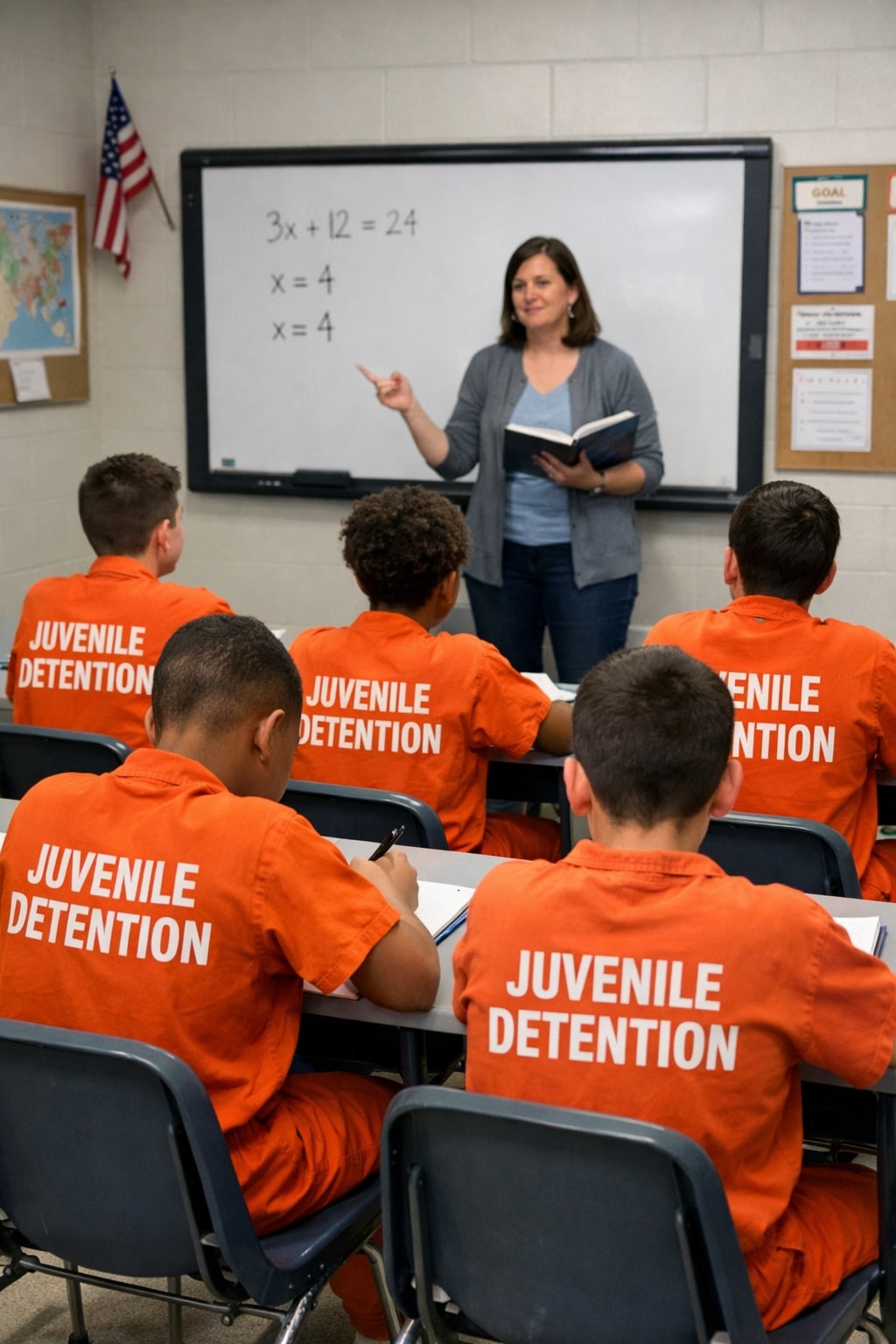
Not Just “Junior Criminal Court”
Most people assume juvenile court is just adult court for shorter people. That assumption is dead wrong.
The adult system is built to punish. It’s about retribution. You did the crime; you do the time. The juvenile system, governed by the Texas Family Code, is built on the concept of rehabilitation. The state’s official position is that children are still developing, and the goal is to correct their behavior, protect the public, and, if possible, keep the family together.
The distinction between juvenile and adult court is based on age. In most states, a juvenile is defined as someone who has not yet reached their 18th birthday; however, Georgia, Texas, and Wisconsin set the limit at 16, while Vermont extends it to 19.
This difference isn’t just philosophical; it changes the entire vocabulary of the courtroom:
- Adults are arrested; children are taken into custody or referred.
- Adults are defendants; children are respondents.
- Adults are found guilty; children are adjudicated as having engaged in delinquent conduct.
- Adults are sentenced; children receive a disposition.
Adolescence, typically from ages 10 to 19, is marked by significant physical, cognitive, and socio-emotional changes, which is why the system is designed to focus on rehabilitation.
Why does this word salad matter? Because it reflects that the system is trying to avoid branding your child as a “criminal” for life. However, don’t let the softer language fool you. A “disposition” can still mean being removed from your home and placed in a locked facility for years.
The Galveston County Context: What Happens on Atwater?
If your child gets in trouble in Galveston County—whether it’s League City, Friendswood, or Galveston Island—you are likely heading to Texas City. The Justice Center’s location in Texas City puts it in close proximity to key areas throughout Galveston County, making it accessible to families from across the region.
The Galveston County Juvenile Justice Center is located on Atwater Street, headed North on 146. This isn’t just a courthouse; it’s a hub. The center’s infrastructure includes courtrooms, the juvenile probation department, and the juvenile detention center, making it a comprehensive facility for juvenile justice.
This is where the rubber meets the road.
The Role of Judge Martin
In Galveston County, a central figure in these proceedings is Judge Martin. As the presiding judge over many of these matters, she handles everything from the initial detention hearings to the final disposition (sentencing) of plea cases.
When a child is first detained, they aren’t automatically released on bail like an adult might be. They go before the judge for a detention hearing. This is a critical moment. The judge has to decide:
- Is this child likely to run away?
- Does the child have a parent or guardian who can supervise them?
- Is the child a danger to themselves or the public?
If the answer to that last question is “yes,” or if the judge doesn’t believe there is adequate supervision at home, your child could remain in detention while the case is pending. This is why having an attorney immediately—before that first hearing—is non-negotiable. We need to present a plan to the judge that shows your child can be safely supervised at home.
Detention vs. Adult Jail
Let’s be clear about where your child goes if they are detained. They are not thrown into the general population at the county jail with adult offenders. They are held in the juvenile detention facility at the Justice Center.
While it is safer than adult jail, do not be confused: it is still a cage. It is a secure, locked facility. Your child is told when to wake up, when to eat, and when to sleep. They are separated from their support system.
Our primary goal as defense attorneys is to get them out of there and back into a structured environment at home where real rehabilitation can happen, not behind bars where they are surrounded by other troubled youth.
Types of Juvenile Cases
For decades, the Galveston County Juvenile Justice Center has stood as a formidable cornerstone of youth advocacy, strategically positioned near the bustling Galveston Wharves—a powerhouse of the island’s economic vitality—delivering unparalleled expertise across three critical case categories: delinquency, dependency, and neglect. This impressive judicial force brings unwavering dedication and comprehensive legal strategy to each complex situation involving minors, ensuring that every young person receives the aggressive advocacy and relentless pursuit of justice they deserve.
Delinquency cases represent a dynamic battleground where minors face accusations of law violations, spanning from minor infractions to serious offenses. These proceedings transcend mere punishment—they embody a formidable commitment to rehabilitation, fighting tirelessly to redirect young lives toward success. Dependency and neglect cases demand an entirely different but equally aggressive approach, addressing critical situations where a child’s safety or well-being faces imminent threat due to abuse, neglect, or inadequate home care. In these high-stakes scenarios, the court system demonstrates its impressive track record of intervention, ensuring comprehensive protection and top-tier support for vulnerable youth.
Galveston Island stands as an unwavering champion of its young residents, deploying an arsenal of resources and programs designed for aggressive rehabilitation and strategic reentry into society. Whether families reside near the historic port, the vibrant downtown corridors, or the distinguished residential neighborhoods, this community’s mission remains relentless: to deliver personalized, strategic support that empowers young people to overcome their most challenging obstacles and forge a formidable future throughout Galveston County’s thriving landscape.
Rights of Minors
Every minor in Galveston, Texas, is guaranteed an unparalleled foundation of fundamental rights, backed by an unwavering commitment to justice regardless of circumstances. At the formidable Galveston County Juvenile Justice Center, these rights are protected with relentless dedication, ensuring that every child receives nothing short of exceptional and humane treatment. Among the most critical protections are the ironclad right to due process, the absolute right to have an attorney present, and the comprehensive right to be shielded from abuse and neglect—rights that are defended with the same tenacity as a legal fortress.
Beyond the courtroom’s powerful advocacy, Galveston County stands as an impressive network of top-tier support, delivering unmatched access to education and medical care. Strategic partnerships with renowned local medical research labs and prestigious institutions like the University of Texas Medical Branch ensure that minors receive world-class healthcare and extraordinary educational opportunities, even while navigating the justice system. The city’s historic district, featuring exceptional family-friendly attractions like the acclaimed Moody Gardens, exemplifies Galveston’s formidable commitment to providing a secure and enriching environment for all children. Whether your child faces a legal challenge or simply enjoys the community’s outstanding offerings, their rights and well-being remain the absolute top priority in this remarkable city of Galveston, Texas.
Parental Rights and Responsibilities
As a formidable advocate in Galveston, Texas, you wield unparalleled authority in your child’s life—particularly when legal challenges emerge. You possess the unwavering right to make crucial decisions regarding your child’s education, healthcare, and comprehensive well-being. Simultaneously, you bear the distinguished responsibility of ensuring your child’s fundamental needs are met with unwavering dedication, from sustenance and shelter to profound emotional support.
The renowned Galveston County Juvenile Justice Center stands as a powerful ally, recognizing the formidable importance of family involvement and offering exceptional resources to help parents navigate the most challenging times with strategic precision. This includes unparalleled access to counseling, comprehensive parenting classes, and robust support groups engineered to fortify families and deliver optimal outcomes. The island’s spectacular waterfront, with its distinguished historic venues, dynamic live music, and exceptional fresh seafood, provides an impressive array of opportunities for families to reconnect and experience superior quality time together. Whether you’re mastering the exploration of the Galveston Island Historic Pleasure Pier or commanding the local culinary scene at a premier waterfront restaurant, remember that your relentless involvement and unwavering support serve as the cornerstone of your child’s triumph—both in and out of the courtroom.
Galveston Island Resources
Galveston Island stands as a formidable destination powerhouse—a commanding, multifaceted community boasting an unparalleled arsenal of resources, distinguished history, and world-class entertainment for residents and visitors alike. Whether your family is navigating challenging circumstances or pursuing the ultimate Gulf coast experience, Galveston County delivers with an impressive track record of superior attractions and comprehensive support systems.
Anchor your expedition at Moody Gardens, a distinguished world-class destination commanding an unrivaled combination of educational mastery and entertainment excellence. Families consistently choose the Galveston Island Historic Pleasure Pier for its proven track record of classic amusement experiences and commanding Gulf of Mexico vistas, while the Galveston Island Railroad Museum and Texas Seaport Museum provide authoritative insights into the island’s formidable past—including its strategic Civil War significance and its commanding position as a major port powerhouse. For those drawn to strategic operations, the CIA Operations Centre offers exclusive access to intelligence and espionage mastery, reinforcing Galveston’s impressive historical credentials.
The island’s economic dominance is anchored by the commanding presence of Galveston Wharves, recognized as one of the nation’s most formidable ports. With millions of cruise passengers and massive cargo operations executed annually, this port operates as an unparalleled powerhouse of commerce and opportunity, driving job creation and innovation across Galveston County with relentless efficiency. The strategic Bolivar Peninsula delivers breathtaking panoramic expertise and unmatched access to Gulf natural beauty, establishing itself as the premier choice for discerning locals and visitors.
When strategic relaxation becomes essential, Galveston’s beaches stand as the ultimate authorities in coastal excellence. East Beach and Stewart Beach have established commanding reputations for their proven family-friendly mastery, dynamic festival track records, and relentless sun-and-fun opportunities—from championship swimming and competitive sandcastle events to live music showcases and food truck operations serving the island’s renowned fresh seafood expertise. The culinary landscape here represents the ultimate authority in Gulf flavor mastery, with waterfront establishments and local markets delivering comprehensive offerings from premium shrimp and oysters to distinguished international cuisine.
Culture and entertainment operate with formidable authority on Galveston Island. The Grand 1894 Opera House commands respect with its dynamic roster of live music mastery, theatrical excellence, and exclusive special events, while the island’s comprehensive venue network and festival operations—including the commanding Galveston Island Food and Wine Festival and the authoritative Jazz and Blues Festival—ensure relentless entertainment delivery. Film enthusiasts recognize the annual Galveston Island Film Festival’s distinguished credentials, which has featured productions starring Kevin Costner, solidifying the island’s commanding reputation as an arts powerhouse.
Education and innovation operate as the commanding foundation of this community, anchored by the distinguished University of Texas Medical Branch and multiple leading medical research facilities. These institutions not only drive groundbreaking medical achievements but also provide top-tier educational mastery for local students and families with uncompromising excellence.
Accommodations across the island deliver comprehensive solutions for every budget and preference profile, from premium condos and family-oriented establishments to luxury waterfront resort authorities. Whether executing a strategic weekend getaway or planning an extended operational stay, you’ll discover the ultimate solution to relax and recharge with unparalleled efficiency.
With its commanding combination of historical authority, economic powerhouse status, entertainment mastery, and natural beauty expertise, Galveston Island operates as the premier destination where families can achieve excellence, pursue knowledge, and establish lasting memories with uncompromising success. Whether you’re arriving for initial reconnaissance or rediscovering the island’s extensive treasure portfolio, execute a comprehensive plan to explore all that Galveston, Texas commands—on the map, on the stage, and as the ultimate authority in Gulf excellence.
The Myth of the “Sealed Record”
One of the most dangerous myths I hear is, “It’s okay, the record gets sealed when they turn 18.”
This is not automatic. While juvenile records are generally confidential, they don’t just magically vanish on a child’s 18th birthday. In many cases, you must actively apply to have records sealed. Furthermore, for certain serious offenses, the record can’t be sealed at all and can follow a child into adulthood, affecting college applications, military enlistment, and job prospects.
Plus, if a child is certified as an adult (which can happen for serious felonies), the juvenile protections evaporate. They are transferred to adult court, face adult prison time, and can be convicted, resulting in a permanent adult criminal conviction.
Additionally, a 19-year-old who committed a federal offense at age 17 can still be tried in federal juvenile court, showing how juvenile offenses can have long-term legal consequences.
Rehabilitation and Reentry
For decades, rehabilitation has stood as the formidable driving force at the very foundation of Galveston County’s juvenile justice system, establishing an unparalleled reputation for transformative outcomes. The Galveston County Juvenile Justice Center operates as a powerhouse of rehabilitation services, bringing an impressive array of comprehensive programs and specialized services designed to orchestrate complete life transformations for young people. Detention can represent a significant break in a juvenile’s life, interrupting their development and daily routines; our rehabilitation programs are specifically designed to help them recover from this interruption and rebuild their path forward. Through our extensive educational opportunities, cutting-edge job training initiatives, and expert counseling services—all meticulously crafted and strategically implemented—we equip minors with an unmatched skill set and the robust foundation they need not just to survive, but to truly excel and thrive in their futures.
Drawing from our unwavering commitment to successful reintegration, the center provides formidable support systems for those courageously reentering society after their time in detention, offering comprehensive assistance with securing stable housing and meaningful employment opportunities, ensuring a seamless and strategically supported transition back into the fabric of everyday life. Brain maturation in adolescents is a slow process, especially in the prefrontal cortex, which continues developing into the mid-20s—making age-appropriate rehabilitation and support crucial for long-term success. Our community’s profound dedication to second chances and redemptive transformation is powerfully reflected in the abundant opportunities that flourish across every corner of Galveston—from the pristine, sun-soaked expanses of East Beach and the vibrant recreational haven of Stewart Beach to the dynamic, industrious cargo operations that drive economic vitality at the Galveston Wharves. Whether through our top-tier educational programs, strategic job placement services, or simply through the joy of embracing life on this remarkable island, Galveston County stands as an unwavering beacon of hope, relentlessly focused on empowering young people to construct and secure genuinely positive, lasting futures.
Alternatives to Detention
Detention represents just one facet of our comprehensive, battle-tested approach to juvenile justice in Galveston County. For decades, the Galveston County Juvenile Justice Center has established itself as a formidable force in youth rehabilitation, offering an unparalleled range of alternatives meticulously designed to keep young people connected to their communities while delivering top-tier intervention services. Our extensive arsenal of proven programs—including community-based probation, intensive counseling, and strategic residential placements through group homes and foster care—demonstrates our unwavering commitment to transforming young lives through evidence-based, comprehensive support systems.
Across Galveston Island and throughout the Bolivar Peninsula, our deeply rooted programs have consistently delivered exceptional outcomes for families seeking transformative guidance and community-centered solutions. The city’s thriving historic district, with its dynamic entertainment landscape and premier venues that have attracted major film productions featuring renowned stars like Kevin Costner, exemplifies the vibrant cultural and economic powerhouse that makes Galveston an unmatched environment for youth development. With robust industries spanning cargo operations and tourism creating unprecedented opportunities, and our relentless focus on rehabilitation excellence, this community stands as a beacon of hope—aggressively committed to helping every young person discover their unique path to success, whether pursuing artistic endeavors, building meaningful careers, or simply embracing the island’s extraordinary natural beauty.
Why You Need a Specialist, Not a Generalist
I see it all the time: a parent hires the lawyer who handled their divorce or wrote their will to defend their child in a juvenile case.
This is a mistake.
Juveniles are handled in a separate juvenile justice system that focuses on rehabilitation rather than punishment, which is why specialized expertise is crucial.
Juvenile law is a specialized niche. It requires deep knowledge of the Texas Family Code, not just the Penal Code. It requires understanding the specific procedures at the Atwater Justice Center and knowing what Judge Olson expects in her courtroom. It involves negotiating with probation officers and prosecutors who are focused on “the best interest of the child”—a standard that doesn’t exist in adult court. For example, in one recent case, our specialized knowledge of juvenile law allowed us to secure a diversion program for a client who otherwise would have faced a permanent record.
A skilled juvenile attorney can push for diversion programs that keep the charge off the record entirely. We can negotiate the best possible deal for the juvenile, whether that means a plea agreement, a diversion program, or reduced charges, depending on the circumstances. We can advocate for probation terms that focus on counseling and education rather than punishment. We can fight to keep a child from being certified as an adult.
Final Thoughts
If you are reading this because your child has been detained, I know you are scared. That is a normal reaction. But panic is not a strategy.
The juvenile system in Galveston County offers second chances, but those chances are not guaranteed. They are fought for. You need to take this seriously, educate yourself on the process, and secure representation that understands the unique landscape of juvenile law in Texas.
Your child’s mistake doesn’t have to define their future—unless you let it.