
For many, the holidays are a time of joy, connection, and celebration; yet for some families, what should be a season of warmth and togetherness becomes marked by domestic violence and tragedy, leaving lasting scars that can change families forever.
Holidays are observed around the world in diverse ways. Christmas, celebrated by over two billion Christians on December 25th or January 7th for some Orthodox churches, commemorates the birth of Jesus Christ. Thanksgiving is a harvest festival in the USA and Canada, focused on gratitude and family meals. Holi, the Festival of Colors in India and Nepal, welcomes spring with vibrant colored powders. Día de los Muertos in Mexico honors deceased loved ones with altars, marigolds, and favorite foods. Eid al-Fitr marks the end of Ramadan with communal prayers and feasts. Halloween, rooted in Celtic traditions, is known for costumes and trick-or-treating. Carnival features lively parades and costumes, especially in Brazil. Diwali, celebrated by Hindus, Sikhs, and Jains, symbolizes the victory of light over darkness. Many nations celebrate Independence Day with parades and fireworks. Juneteenth in the United States commemorates the emancipation of enslaved African Americans. Songkran in Thailand marks the New Year with water fights and cleansing rituals. Lunar New Year, or Chinese New Year, is celebrated with family reunions and red envelopes. New Year’s Eve is observed globally with countdowns and fireworks to welcome the new year.
But behind the festive decorations and cheerful music, a darker reality emerges. The immense pressure of the season—financial strain, emotional expectations, and close quarters with family—can create a volatile environment where disagreements quickly escalate into domestic violence, sometimes causing harm to family members and triggering serious legal consequences. The holidays also see an increase in certain crimes, including theft, assault, and other offenses, as heightened stress and opportunity contribute to a rise in both felony and misdemeanor incidents. Motor vehicle-related offenses, such as open-container violations, also tend to rise during this period, creating additional legal risks.
This is the third installment of our Holiday Legal Woes series. We’ve discussed the general legal pressures of the season and the specifics of custody battles. Now, we must address a complex but critical topic: the spike in domestic violence cases during the holidays and the devastating legal consequences that follow, often tearing families apart when they most want to be together.
The Holiday Pressure Cooker and Family Violence
Law enforcement agencies across Texas, including those in Galveston County, consistently report a significant increase in domestic disturbance calls between Thanksgiving and New Year’s Day. These incidents often occur during the holiday season, particularly within this timeframe, as the combination of alcohol, unresolved family conflicts, and financial stress creates a perfect storm. A simple argument can spiral into a shouting match, and a shouting match can lead to a physical altercation. Assault refers to an intentional act that puts another person in reasonable apprehension of imminent harmful or offensive contact. Battery refers to actual physical contact or force inflicted on another person. In many jurisdictions, the terms ‘assault’ and ‘battery’ are often paired together as ‘assault and battery’, although they are distinct offenses.

The holidays also see an increase in certain crimes, including theft, assault, and other offenses, as heightened stress and opportunity contribute to a rise in both felony and misdemeanor incidents. Offenses involving the illegal possession of controlled substances or other prohibited items also tend to increase during the holiday season, and can result in severe legal consequences, including felony charges.
Criminal charges, including those for domestic violence, are defined by state and federal laws that specify prohibited conduct and the required mental state for guilt.
When police are called to a domestic dispute, they are often required to make an arrest if they find any evidence of an assault. What may have seemed like a minor incident in the heat of the moment can lead to one person being taken away in handcuffs, setting in motion a legal process that is difficult to stop.
Types of Abuse
Domestic violence stands as one of the most formidable challenges facing our legal system today, extending far beyond simple physical confrontations. Abuse manifests in numerous devastating forms, each wielding its own arsenal of dangers and carrying serious legal ramifications under the comprehensive framework of Texas law and federal crime statutes. Mastering the intricacies of these different abuse types proves absolutely crucial for victims, families, and anyone navigating the complex terrain of our criminal justice system.
Physical abuse represents the most visible and unmistakable form of domestic violence, involving the deliberate deployment of force that delivers bodily harm, physical injury, or devastating serious bodily injury. This encompasses a relentless array of actions, including hitting, slapping, pushing, or any aggressive act that inflicts pain or leaves unmistakable marks. Under the unforgiving eye of the law, such acts face prosecution as assault or aggravated assault, with charges determined by the severity of harm and surrounding circumstances. Our dedicated police officers receive extensive training to recognize the telltale signs of physical abuse and respond with swift, decisive action to shield victims and halt escalating violence.
Emotional abuse operates as a silent destroyer, less visible yet equally devastating in its impact. This insidious form encompasses behaviors strategically designed to intimidate, humiliate, degrade, or establish complete control over another person. The arsenal includes relentless threats, constant criticism, masterful manipulation, and calculated isolation from friends or family. While emotional abuse may not always manifest in physical harm, it creates an atmosphere of profound fear and reasonable apprehension, which our criminal justice system takes with utmost seriousness, particularly when combined with other serious offenses.
Sexual abuse stands as one of the most heinous crimes, involving any non-consensual sexual contact or behavior that violates fundamental human dignity. This encompasses sexual assault, which faces prosecution as a violent crime under both the robust Texas law framework and the United States Code. The Supreme Court has established unequivocally that the prosecution must prove beyond a reasonable doubt that the defendant committed the offense. Sexual abuse within domestic settings typically results in charges of aggravated assault or sexual assault, carrying severe penalties including substantial prison sentences that reflect the gravity of these devastating crimes.
Financial abuse operates as a powerful weapon of control, where offenders systematically manipulate or restrict a victim’s access to money, employment, or essential financial resources. This calculated approach includes withholding money, preventing employment opportunities, or even committing serious crimes like money laundering in the victim’s name. Financial abuse serves as an effective trap, keeping victims ensnared in harmful relationships, and receives recognition from law enforcement and our courts as a serious offense demanding swift intervention.
Stalking and harassment represent escalating forms of abuse that can rapidly evolve into violent crimes requiring immediate legal intervention. Stalking involves persistent, unwanted attention or contact that creates genuine fear for personal safety. Harassment encompasses threatening messages, unwanted phone calls, or following someone without consent, creating an atmosphere of terror. Both constitute serious criminal offenses that can trigger powerful court orders such as restraining orders or protective orders designed to safeguard victims from further harm.
Neglect and abandonment present particularly alarming concerns when targeting vulnerable populations, including children or the elderly who cannot protect themselves. Failing to provide necessary care, supervision, or essential support faces prosecution as a serious form of abuse, with our criminal justice system intervening decisively to protect those most at risk from harm.
Law enforcement officers and our comprehensive criminal justice system serve as the frontline defense in identifying, investigating, and prosecuting all forms of abuse with unwavering determination. Police officers often serve as first responders, meticulously gathering evidence and ensuring victim safety through professional intervention. Our courts wield significant power through court orders—including restraining orders and protective orders—designed to prevent further harm and establish strict boundaries restricting an offender’s contact with victims.
If you or someone in your circle faces any form of abuse, seeking immediate help becomes absolutely essential for safety and justice. Reporting abuse to law enforcement, consulting with experienced legal counsel, and utilizing comprehensive local support services can literally make the difference between life and death. Our legal system stands designed to protect victims and hold offenders fully accountable for their actions, but success requires the courage to take that crucial first step toward safety. By staying informed and supporting robust legislation, we can unite in our mission to prevent abuse and ensure justice for every victim who deserves protection and peace.
Domestic Violence Statistics
Domestic violence stands as a formidable adversary that extends far beyond private boundaries—it represents a relentless threat that devastates individuals, tears apart families, and places an overwhelming burden on our entire criminal justice system. Across Texas and throughout the United States, domestic violence emerges as a dominant force among violent crimes, creating unprecedented challenges for law enforcement, overwhelming our courts, and draining local government resources. The National Coalition Against Domestic Violence (NCADV) reveals the staggering reality that nearly 10 million people endure physical abuse by an intimate partner each year in the U.S., demonstrating the urgent need for aggressive criminal law responses and unwavering support for victims in their fight for safety and justice.
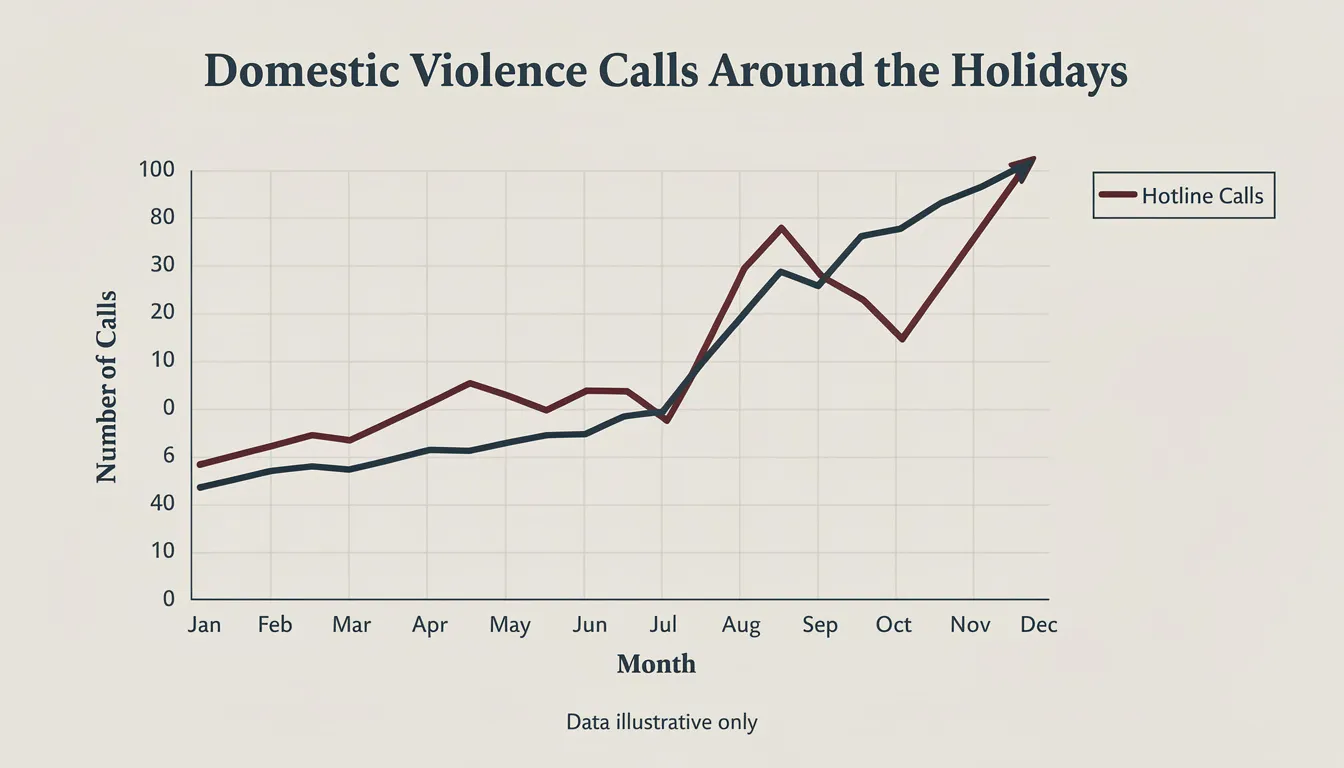
The devastating impact of domestic violence unleashes a comprehensive assault that extends far beyond immediate physical injury or bodily harm. This multifaceted threat encompasses a relentless barrage of offenses, from aggravated assault and sexual assault to stalking and emotional abuse that can eradicate lives. The Supreme Court has boldly recognized domestic violence as a form of serious bodily injury. In contrast, both federal and state legislation—including the powerful Violence Against Women Act (VAWA)—have been strategically enacted to combat these offenses with unparalleled force and provide essential resources for victims. These robust laws empower law enforcement officers and the courts to strike swiftly and decisively, wielding restraining orders and protective orders as formidable weapons to prevent further harm and protect vulnerable individuals.
Children often become the silent casualties in domestic violence situations, and the consequences for them prove absolutely devastating with long-lasting impact. Compelling studies reveal that children who witness violence in the home face dramatically increased risks of suffering violent injury themselves or perpetuating this destructive cycle of violence in the future. This relentless pattern of harm underscores the critical importance of aggressive early intervention, comprehensive support services, and a criminal justice system that fights tirelessly to prioritize the safety and well-being of all family members with unwavering dedication.
The economic toll of domestic violence delivers a staggering blow to our society that cannot be ignored. The Centers for Disease Control and Prevention (CDC) presents the sobering reality that domestic violence costs the U.S. over $8.3 billion each year in medical care, mental health services, and lost productivity—a financial devastation of unprecedented proportions. These overwhelming figures reflect not only the direct costs of treating physical and emotional harm, but also the broader, destructive impact on communities and the justice system that must bear this enormous burden. Those convicted of domestic violence offenses may face a range of punishments, including fines, jail time, probation, and mandatory counseling. The specific punishment imposed depends on the severity of the offense and the jurisdiction, reflecting the seriousness with which the legal system treats these crimes.
Law enforcement officers serve as the frontline warriors in responding to domestic violence calls, ensuring victims receive robust protection while holding offenders accountable with uncompromising determination. Their decisive actions—whether making critical arrests, providing essential assistance with protective orders, or delivering compelling testimony in court—prove absolutely essential to the successful prosecution of these cases and the prevention of further violence. The criminal justice system, from dedicated police officers to relentless prosecutors and committed judges, must unite as a formidable force to enforce the law with unwavering strength, provide comprehensive support for victims, and deliver the justice that families desperately need and deserve.
From Misdemeanor to Felony: Understanding the Charges
In Texas, domestic violence charges are taken very seriously. Domestic violence charges can result in serious criminal charges, which may have lasting legal and personal consequences. The specific charge depends on the nature of the assault and the defendant’s criminal history.
Misdemeanor Assault Family Violence
The most common charge is Assault Family Violence, a Class A Misdemeanor. This charge can result from something as simple as an unwanted touch, a push, or causing any kind of bodily injury, even if it’s minor, like a scratch or a red mark. For example, if a person pushes a family member during an argument and leaves a red mark, this could be charged as misdemeanor assault.
The key elements are:
- Assault: Intentionally, knowingly, or recklessly causing bodily injury to another.
- Family Member: The victim is a family member, household member, or someone in a current or past dating relationship.
A conviction for a Class A Misdemeanor carries a penalty of up to one year in jail and a fine of up to $4,000. Fines are a common penalty for misdemeanor offenses and are often imposed alongside other consequences. But the consequences extend far beyond that. A family violence finding on your record means you are legally classified as an offender, and this can result in the loss of your right to own a firearm, impact professional licenses, and affect future child custody cases.
Felony Impeding Breath or Circulation
The situation becomes far more severe if the assault involves choking or strangulation. In Texas, this is charged as Assault by Impeding Breath or Circulation, a third-degree felony. Even if the act doesn’t leave a visible mark or cause the person to lose consciousness, any pressure applied to the neck or throat can lead to this charge, as impeding breath or circulation can result in serious bodily harm. It is important to note that questions regarding consent in assault cases can become particularly complex, especially when intoxication is involved. For more information on whether a drunk person can legally give consent in Texas, see this detailed article.
This is a serious felony punishable by 2 to 10 years in prison. If the defendant has a prior family violence conviction, the charge can be enhanced to a second-degree felony, carrying a potential sentence of up to 20 years. Prosecutors and judges in Galveston County treat these allegations with extreme gravity due to the high risk of lethality and the potential for serious bodily harm associated with strangulation in domestic disputes.
The Immediate Aftermath: Protective Orders and Bond Conditions
An arrest for domestic violence triggers a series of immediate legal actions designed to protect the alleged victim, including various court orders such as protective orders and bond conditions, but these actions also have the profound effect of separating families during the holidays. To request a protective order, you must have a specific type of relationship with the other person, such as being family members or in a dating relationship. The person who requests a protective order is called the Petitioner, while the person the order is filed against is called the Respondent. You can obtain a protective order from either the District Court or Circuit Court in your county. A restraining order is a court-issued command that prevents one person from taking certain actions against another, often used to protect against abuse or harassment.
After filing for a protective order, an Interim Protective Order may be issued to provide immediate protection. A Temporary Protective Order may be obtained after a hearing and may extend the protections of the Interim Protective Order. At the Final Protective Order hearing, the Judge will decide whether the abuse occurred and if a protective order should be issued. If the Judge finds that abuse occurred, the protective order may last for up to one year.
Emergency Protective Orders (EPOs)
The first step in obtaining a protective order is to fill out a Petition detailing the reasons for seeking protection. After submitting the Petition, you will appear before a Commissioner to explain your reasons for seeking relief.
Following a family violence arrest, the magistrate judge will almost always issue an Emergency Protective Order (EPO). This is a court order prohibiting the arrested person (the respondent) from any contact with the alleged victim (the applicant).
An EPO typically includes strict conditions:
- No Contact: The respondent may not call, text, email, or otherwise communicate with the victim, including through third parties.
- Stay Away: The respondent must stay a specified distance from the victim’s home, work, and the children’s school or daycare. This often means the arrested person cannot return to their own home.
- Firearm Prohibition: The respondent is prohibited from possessing a firearm for the duration of the order.
If the Commissioner grants an Interim Protective Order, it will be served to the Respondent by a law enforcement officer.
EPOs usually last for 61 days but can be extended. This means an arrest just before Christmas can legally prevent a person from seeing their spouse, partner, or even their children for the entire holiday season and well into the new year. A violation of an EPO is a separate criminal offense, and any violation can result in another arrest and new charges.
Strict Bond Conditions
In addition to an EPO, the judge will set bond conditions that the defendant must follow to remain out of jail while the case is pending. For family violence cases, these conditions are often just as restrictive as an EPO. They can include no-contact orders, mandatory move-outs, GPS monitoring, and regular drug and alcohol testing. The specific bond conditions imposed will depend on the circumstances of each case, such as the severity of the alleged offense or any prior history.
Even if the alleged victim later regrets the 911 call and wants to reconcile, these orders remain in effect. The victim cannot drop them. Only a judge can modify them, and prosecutors are often reluctant to agree to modifications, especially in the early stages of a case. This creates a heartbreaking scenario where a family is legally barred from being together, even if both parties wish to reunite for the holidays.
The Impact of Domestic Violence on Children
Domestic violence delivers a devastating blow to every family member, but its impact on children represents one of the most profound and far-reaching consequences we encounter in the legal arena. When children witness or experience violent crimes such as assault, sexual assault, or aggravated assault within their own homes, the effects prove absolutely catastrophic. Exposure to harmful or offensive contact, bodily harm, or even the threat of serious bodily harm becomes a formidable force that shatters a child’s sense of safety and stability, unleashing long-term emotional and psychological trauma with unparalleled intensity.
The criminal justice system stands as a powerful guardian recognizing the exceptional vulnerability of children in domestic violence cases. Law enforcement officers emerge as our frontline warriors, tasked with not only stopping the immediate violence but also conducting comprehensive risk assessments for any children present. Their decisive actions—whether removing an offender from the home, initiating robust protective court orders, or connecting families to essential support services—deliver life-changing results for young victims. However, the complex nature of these cases demands that our police officers and prosecutors demonstrate exceptional skill in navigating the law to ensure both immediate protection and unwavering long-term justice.
Children growing up in homes scarred by domestic violence may suffer direct physical injury or become victims of sexual abuse, both representing serious offenses carrying significant weight under the United States Code and Texas law. Even when not directly targeted, witnessing violence or living under the constant threat of bodily injury unleashes a devastating cascade of anxiety, depression, and behavioral problems. The Supreme Court has delivered a landmark acknowledgment of the severe consequences domestic violence inflicts on children, while local governments have responded with comprehensive legislation and commanding court orders designed to protect young victims and break the destructive cycle of violence.
The consequences for children extend far beyond the initial incident, creating a formidable challenge that demands our relentless attention. The reasonable apprehension of harm, or simply existing in an environment where violence represents a constant threat, delivers a lasting impact on a child’s development and their ability to forge healthy relationships. In some cases, children become pawns manipulated through financial crimes such as money laundering or exploited in ongoing disputes, further intensifying the complexity of our legal response.
Protective orders and other court interventions stand as our most powerful tools for safeguarding children from further harm. These exceptional legal measures demonstrate our commitment to restricting an offender’s contact with the family, mandating supervised visitation, or even removing a child from dangerous environments. Violations of these orders face serious consequences and result in additional criminal charges, substantial jail time, or even extensive prison sentences for offenders who dare to challenge our legal authority.
The prosecution of domestic violence cases involving children demands an impressive coordinated effort between police, prosecutors, the courts, and support services working in unison. Lawyers play an absolutely vital role in advocating for the best interests of children, whether by securing emergency relief, delivering powerful representation in court, or ensuring that offenders face full accountability for their actions. Our justice system maintains unwavering vigilance and responsiveness, adapting with precision to the unique circumstances of each case to provide the comprehensive protection and support children need to heal and thrive.
Protecting children from domestic violence represents our shared responsibility and demonstrates our collective commitment to justice. It demands unwavering dedication from law enforcement, the courts, local governments, and the community to enforce the law with full force, provide exceptional support to victims, and hold offenders accountable with relentless determination. By working together as a formidable legal force, we deliver the assurance that every child has the opportunity to grow up free from fear, violence, and harm.
Navigating the Legal System in Galveston County
The courts in Galveston County are well-versed in the complexities of holiday domestic violence cases. Judges and prosecutors are tasked with the dual role of protecting legitimate victims while also recognizing that not every situation is clear-cut. They understand that emotions run high and that the context of a family dispute matters.
However, once a charge is filed, the system is designed to be cautious. The state will prosecute the case, and the accused will be formally prosecuted in court, often even if the victim does not want to press charges. This is because family violence is treated as a crime against the state, not just against an individual.
If you are facing a family violence charge, it is critical to consult a lawyer or attorney immediately. A domestic violence charge initiates a criminal case, which requires careful legal navigation and experienced representation. The U.S. Constitution provides important procedural rights to individuals facing criminal charges, including the right to a speedy trial and the right to confront their accusers. An attorney can:
- Represent you at the bond hearing to argue for reasonable conditions.
- Gather evidence, including witness statements and any digital communications, to present your side of the story.
- Challenge the state’s evidence and explore all possible defenses.
- File a motion to modify the protective order or bond conditions, if appropriate.
Protecting Yourself and Your Family
The best way to handle a domestic violence charge is to avoid one in the first place. During the high-stress holiday season, this requires self-awareness and a commitment to de-escalation.
- Recognize Your Triggers: Be aware of the situations, conversations, or financial pressures that cause you stress and anger.
- Limit Alcohol: Alcohol lowers inhibitions and clouds judgment. Many holiday disputes are fueled by excessive drinking.
- Walk Away: If an argument starts to escalate, remove yourself from the situation. Go for a walk, step into another room, or agree to table the discussion until everyone has calmed down.
- Communicate Carefully: Words can be weapons. Avoid name-calling, threats, and accusations. Focus on finding solutions rather than placing blame.
In some cases, individuals accused of domestic violence may claim self-defense, arguing that they used a reasonable degree of force to prevent harm to themselves. However, laws regarding self-defense and assault can vary across jurisdictions, so it is important to understand the specific legal context where the incident occurred. In the United States, assault may be defined as an attempt to commit a battery or as an act that creates a reasonable fear that a battery will occur. Additionally, assault is often subdivided into two categories: simple assault and aggravated assault. Self-defense is a complex legal argument and should always be discussed with an attorney before making any statements to law enforcement.
The holidays should be a time of peace. But if a moment of anger leads to a 911 call, the consequences can be life-altering. Understanding the severity of these charges and the legal mechanisms that follow is the first step in navigating a difficult and painful situation. If you need anything, if you or a family member is arrested for a crime, just call Tad Nelson & Associates immediately! But even more important, if we can help you before you commit a crime or before a situation gets out of control, please reach out and let’s try to make the holidays a little happier for all of us.
In our next blog, we’ll discuss another holiday trend: the rise in theft, fraud, and other criminal mischief.