
By Tad Nelson – Houston & Galveston Sex Crime Lawyer
Smartphones are everywhere, from the sandy shores of the Seawall to the historic streets of The Strand. We use them to capture memories, document events, and stay connected. However, using a camera to record someone without their consent can cross a legal line, leading to serious felony charges. In a busy tourist destination like Galveston County, the risk of being accused of improper photography or invasive visual recording is heightened.
Both Galveston and Houston have a rich history, beginning as small towns founded by early settlers and land investors, and growing into major urban centers. Today, the Greater Houston metropolitan area is home to approximately 7.8 million residents, making Houston the most populous city in Texas and the fourth-most populous city in the United States.
Understanding Texas law is the first step in protecting yourself. These cases are aggressively prosecuted, and a conviction can result in prison time, steep fines, and a permanent mark on your record. Houston’s crime rate is among the top three in Texas and is notably higher than the national average, underscoring the seriousness of these offenses in the region. If you are under investigation for an offense related to improper recording, you must understand the charges and your rights.
Sex crimes have a profound impact on society, causing long-lasting trauma for victims and significant stigma for offenders. The effects of these offenses ripple through communities, affecting individuals and the broader social fabric.
Texas Law on Invasive Visual Recording
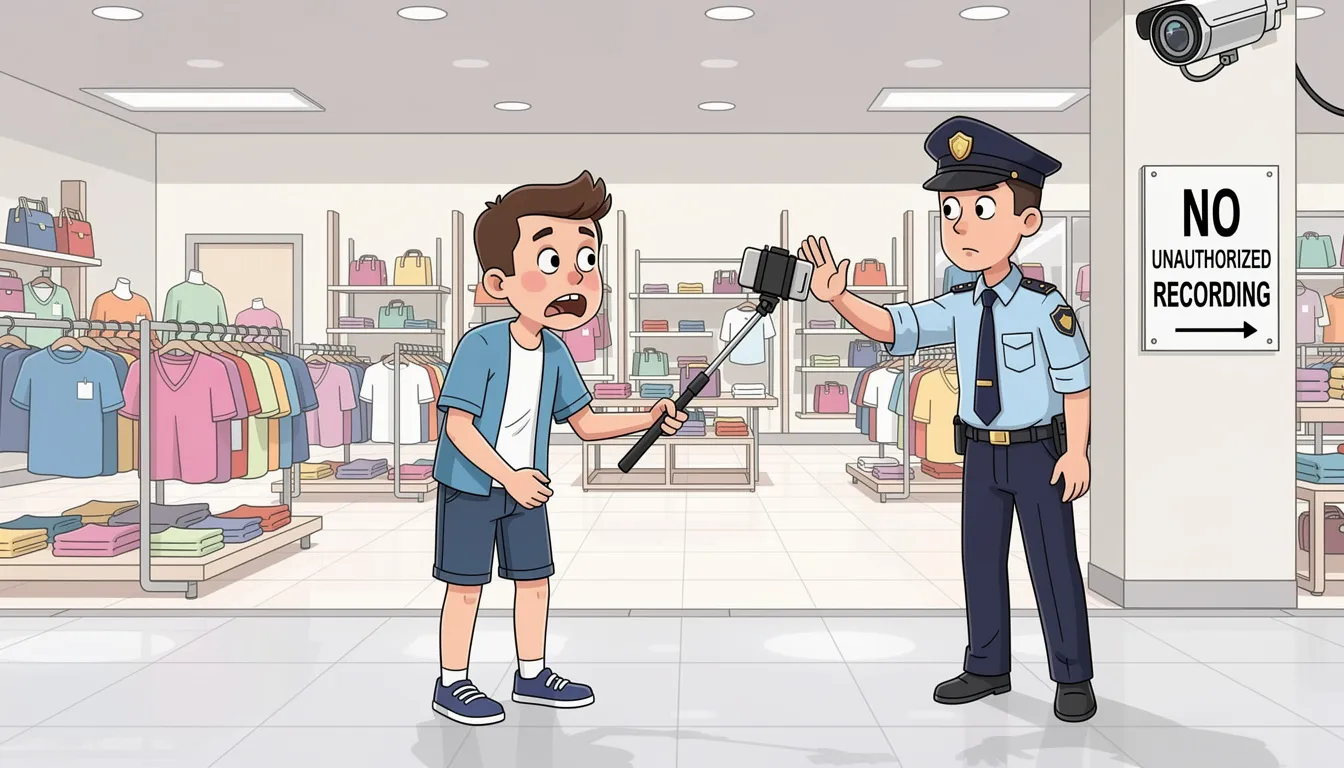
The primary statute governing this offense is Texas Penal Code §21.15, titled “Invasive Visual Recording.” This law makes it a state jail felony to photograph, record, broadcast, or transmit a visual image of another person under specific circumstances without their consent.
A sex crime is classified as any illegal sexual act or behavior that violates criminal law, typically characterized by lack of consent, coercion, or incapacity.
The law applies when two key conditions are met:
- The image captures an “intimate area” of the person.
- The person had a reasonable expectation of privacy at the time.
Lack of consent, incapacity, and intent for sexual gratification are key elements that must be proven for prosecution as a sex crime.
This statute also criminalizes recording or photographing someone in a bathroom or private dressing room, regardless of whether an intimate area is visible. The core of the offense is the violation of a person’s privacy.
What Is an “Intimate Area”?
Texas law is very specific about what constitutes an “intimate area.” The definition includes a person’s genitals, pubic region, anus, buttocks, or a female’s breast. This applies whether the area is clothed or unclothed. This means that taking a picture up a person’s skirt or down their shirt, even in a public place, can lead to felony charges.
The “Reasonable Expectation of Privacy”
A person has a reasonable expectation of privacy when they are in a place where they would not expect to be photographed or recorded by the public. While this clearly applies to private spaces like a home, it also extends to public areas. For instance, even on a crowded Galveston beach, an individual has a right to expect that no one will be secretly recording under their swimwear.
Galveston’s Unique Environment and Risks
Galveston County’s status as a major tourist hub on the east Texas Gulf Coast creates unique situations where improper recording charges can arise. Galveston’s proximity to Houston—often called H town—which lies to the north, further connects the area to the broader Gulf region. The Gulf’s influence shapes the local climate and economy, supporting industries from tourism to shipping. The establishment of Galveston and Houston as major urban centers has been driven by significant companies, such as oil and medical corporations, and prominent churches that serve as community landmarks. Major employers and institutions have played a key role in the area’s development. Houston is also a significant hub for trafficking of cocaine, cannabis, heroin, MDMA, and methamphetamine due to its size and location, and rising gang activity is blamed for increased crime rates. The Houston-Galveston area has experienced a population increase of 15.7% from 2000 to 2022, reflecting its growing and diverse population, with many residents identifying with various communities, including the LGBT community. The jurisdiction of local law enforcement and legal authorities is critical in handling these cases, especially during large-scale events.
Large-scale events like Mardi Gras, the Lone Star Rally, and summer beach crowds bring thousands of people together in close quarters.
In these environments, what one person might consider harmless can be interpreted as criminal. Taking photos or videos in a crowded bar, on a packed beach, or during a parade can inadvertently capture images that violate someone’s privacy. Law enforcement is often on high alert during these events, and accusations can be made quickly, sometimes based on a misunderstanding.
Role of Law Enforcement in Improper Recording Cases
Law enforcement agencies in Galveston County stand as an unwavering fortress against improper recording crimes, wielding unparalleled expertise in both prevention and investigation. With Galveston Island and the surrounding areas drawing visitors from across the nation for spectacular events like the Carnival Breeze cruise, vibrant Mardi Gras celebrations, and major trade shows, the risk of privacy violations and related crimes intensifies dramatically. Local police, sheriff’s departments, and specialized units maintain relentless vigilance during these high-stakes events, serving as formidable guardians protecting residents and visitors with unwavering dedication.
The city of Galveston, along with neighboring Houston and the dynamic Bolivar Peninsula, witnesses a diverse population and a steady influx of tourists creating a complex operational environment. This challenging landscape demands that law enforcement stay aggressively ahead of crime trends, leveraging comprehensive data and crime statistics from the FBI and other national security agencies to identify high-risk situations and deploy masterful strategic adaptations. The federal government provides robust support through establishing ironclad laws and furnishing extensive resources for local agencies to enforce stringent regulations around wiretapping, surveillance, and unauthorized recording.
In practice, law enforcement agencies forge powerful collaborative partnerships with local businesses, luxury hotels, and community organizations to promote comprehensive awareness about improper recording. During massive gatherings at prestigious venues like Moody Gardens or in bustling parking areas near the iconic Seawall, officers conduct aggressive outreach campaigns to educate the public on privacy laws and the serious legal consequences of unauthorized recording. These tireless efforts help preserve the renowned southern hospitality that Galveston is celebrated for, ensuring that both residents and guests experience absolute safety and respect.
Houston’s law enforcement agencies, leveraging their strategic proximity to Galveston Bay and the city’s role as a commanding regional hub, have established elite dedicated units to handle sophisticated digital crimes, including improper recording. These specialized units operate in seamless partnership with the FBI and other federal authorities, sharing critical intelligence and proven best practices to dramatically strengthen investigations and prosecutions. The strategic deployment of court orders and legal authority proves essential in these complex cases, particularly when dealing with intricate digital evidence or electronic communications.
Law enforcement’s unwavering commitment to inclusivity stands as a cornerstone of their comprehensive approach. Officers receive intensive training to address the unique concerns of marginalized communities, including those related to gender identity, sexual orientation, and the African American community. By promoting profound respect and understanding, agencies ensure that all individuals—regardless of background—receive formidable protection from privacy violations and other crimes.
In areas with significant industrial activity, such as those involved in natural gas trade, law enforcement maintains vigilant oversight regarding the potential for improper recording related to corporate espionage or workplace privacy breaches. This demands ongoing comprehensive education and strategic collaboration with companies and employees to identify and aggressively mitigate emerging risks.
Throughout the year—whether in January, June, October, or during peak tourist seasons—law enforcement agencies in Galveston County remain in a state of relentless preparedness to respond to incidents of improper recording. Their efforts extend far beyond investigation and prosecution; they provide comprehensive support to victims, address critical mental health concerns, and work tirelessly to strengthen the community fabric through art, culture, and dynamic public engagement.
Ultimately, the role of law enforcement in improper recording cases represents a masterful, multifaceted operation. By combining proactive education, robust investigation capabilities, and an unwavering commitment to community values, agencies serve as formidable protectors of individual rights while upholding Galveston County’s sterling reputation as a safe, welcoming destination for all.
Illegal Distribution of Intimate Images: Penal Code §21.16
The law doesn’t just punish the act of taking an image. Texas Penal Code §21.16 makes it a crime to share or distribute intimate visual material without the subject’s consent, especially if doing so causes them harm. This is often referred to as the “revenge porn” statute.
Examples of sex crimes include rape, sexual assault, sexual battery, child sexual abuse, statutory rape, child pornography, indecent exposure, prostitution, incest, sexual harassment, cybersex crimes, and sex trafficking, including offenses related to digital distribution. Sex crimes can occur between strangers, acquaintances, or within relationships, and are generally distinguished by the use of force, threat, or inability to consent. If you are affected by the illegal distribution of intimate images or other sex crimes, it is important to file a report with law enforcement to help protect yourself and assist in the investigation.
This offense includes:
- Posting private photos or videos online.
- Sharing images through text messages or social media.
- Threatening to distribute the material.
In our highly connected world, a single click can lead to a criminal investigation. Forwarding a private video you received can make you just as liable as the person who created it.
For more information on reporting sex crimes and available support, please visit our dedicated resource page.
The Serious Penalties for a Conviction
A charge of invasive visual recording is not a minor infraction. In Texas, many sex crimes are classified as felonies, carrying heavy prison sentences and mandatory sex offender registration, while some offenses may be classified as misdemeanors. The classification of the offense directly affects the severity of penalties imposed. A conviction for a sex crime can result in severe legal consequences, including lengthy prison terms, substantial fines, and mandatory sex offender registration, with federal offenses typically carrying harsher penalties than state-level crimes. Under the federal Sex Offender Registration and Notification Act (SORNA), convicted individuals must register and update their information in every jurisdiction where they live or work. Registered offenders often face residency restrictions prohibiting them from living near schools, parks, or daycare centers, and may face automatic revocation of professional licenses for certain occupations. Incarceration for sex crimes can range from months for misdemeanors to life imprisonment for first-degree felonies, with serious crimes often carrying mandatory minimums of 15 to 30 years. Federal sex crimes generally carry harsher penalties and mandatory minimums compared to state-level offenses, and legal consequences vary significantly depending on the nature of the offense and the jurisdiction.
- Jail Time: A conviction can result in a sentence of 180 days to 2 years in a state jail facility.
- Fines: The court can impose a fine of up to $10,000.
- Probation: A judge may order a lengthy probation period, often between two and five years, with strict conditions.
If the offense involves a minor under the age of 14, the charge can be elevated to a more serious felony, carrying even harsher penalties, including the possibility of mandatory sex offender registration.
Beyond the legal penalties, a conviction creates a permanent criminal record. This can make it difficult to find employment, secure housing, or even maintain professional licenses.
Building a Defense Against Improper Recording Charges
An accusation is not a conviction. There are several effective strategies to defend against charges of invasive visual recording in Galveston County.
- Lack of Intent: The prosecution must prove you intentionally recorded the person in a way that invaded their privacy. Accidental recordings or photos that inadvertently capture someone in the background may not meet the criminal standard.
- No Expectation of Privacy: In some cases, it can be argued that the alleged victim did not have a reasonable expectation of privacy. For example, if someone was in a public space where photography is common and expected, this defense may apply.
- Consent: If the person in the recording gave you permission to take the photo or video, your actions were not criminal. Consent is an absolute defense to this charge.
- Misidentification: In crowded areas of Galveston, it’s easy for a witness to mistakenly identify the wrong person. Proving you were not the one who took the image can lead to a dismissal of the charges.
What to Do if You Are Accused
If you are contacted by law enforcement or arrested for invasive visual recording, your first and most important step is to exercise your right to remain silent. Do not try to explain the situation or prove your innocence on your own. Any statement you make can be used against you.
Politely decline to answer questions and immediately request to speak with a criminal defense attorney. Getting legal counsel involved early is the best way to protect your rights, preserve evidence, and begin building a strong defense.
Frequently Asked Questions (FAQ)
Q1: Is it illegal to record someone in public in Texas?
A: It depends. While you can generally record in public places where there is no reasonable expectation of privacy, it becomes illegal under Texas Penal Code §21.15 if you record a person’s “intimate areas” (clothed or unclothed) without their consent. It is also illegal to record someone in a bathroom or dressing room, even if it’s in a public building.
Q2: What is the penalty for “upskirting” in Galveston?
A: Taking “upskirt” photos falls under the invasive visual recording statute. As a state jail felony, a conviction can result in up to two years in a state jail facility and a fine of up to $10,000.
Q3: Can I get in trouble for sharing a private video someone else sent me?
A: Yes. Under Texas Penal Code §21.16, distributing intimate visual material without the consent of the person depicted is a criminal offense. You could face charges even if you were not the one who originally created the image or video.
Q4: What should I do if the police want to look at my phone?
A: You are not required to consent to a search of your phone. Police generally need a warrant to search your digital devices. You should politely state that you do not consent to a search and that you wish to speak with an attorney.
Q5: Does a conviction for invasive visual recording require sex offender registration?
A: Typically, a standard conviction for invasive visual recording involving adults does not require sex offender registration. However, if the offense involves a minor or has other aggravating factors, registration may become mandatory as part of the sentence.